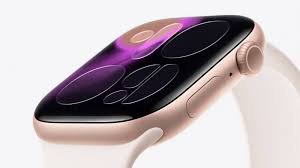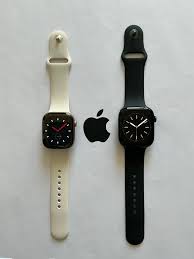
The Apple Watch has brought single-lead electrocardiogram (ECG) capability to millions of users since its introduction on Series 4 in 2018. This feature allows anyone to record a 30-second ECG by placing a finger on the Digital Crown, generating a waveform and automated classification of sinus rhythm, atrial fibrillation (AFib), or inconclusive results. In 2026, with Series 11, Ultra 3, and watchOS 26, the ECG app continues to serve as an accessible tool for heart rhythm monitoring.
Apple Watch ECG accuracy has been extensively studied, with recent meta-analyses and clinical validations confirming high performance for detecting AFib when compared to standard 12-lead ECG. While not a replacement for professional medical diagnosis, it offers reliable screening for many users, especially those at risk of irregular rhythms. This article examines the latest evidence on sensitivity, specificity, limitations, and practical implications.
How the Apple Watch ECG Works
The ECG app uses the electrical heart sensor on the back crystal and Digital Crown to capture a single-lead (Lead I equivalent) tracing. The user holds the crown for 30 seconds while seated and still. The algorithm analyzes the waveform for:
- Sinus rhythm (normal).
- Atrial fibrillation (irregular).
- Inconclusive (high/low heart rate, poor signal, or other rhythms).
- Other classifications (occasional extrasystoles or unclassified).
Data processes on-device for privacy, with results exportable as PDF for sharing with physicians. The feature received FDA De Novo clearance in 2018 (updated clearances for newer models) as a Class II device for over-the-counter use in adults 22+.
Key Accuracy Metrics from Clinical Studies
Multiple independent studies and meta-analyses have evaluated Apple Watch ECG accuracy against 12-lead ECG as the reference standard.
- Pooled sensitivity for AFib detection ranges from 94–95% (95% CI often 91–97%).
- Pooled specificity reaches 95–97% (95% CI 88–99%).
- Area under the ROC curve (AUC) typically 0.96–0.97, indicating excellent overall diagnostic performance.
Recent 2025 meta-analyses (including 11–26 studies with thousands of participants) report:
- Sensitivity: 94.8% (one study) to 95% overall.
- Specificity: 95% to 97%.
- High agreement in sinus rhythm and AFib classification when recordings are classifiable.
In controlled settings, the device matches 12-lead Lead I closely for rhythm classification, with strong correlations in intervals like PR, QT, QRS, and RR in patients with cardiac conditions.
Real-World Performance and Limitations
While lab and clinical data are encouraging, everyday use introduces variables.
- Inconclusive Readings: Rates vary from 8% (Apple’s validation) to 20–30% in some studies, often due to motion artifact, poor contact, high/low heart rates (>120 or <50 bpm), or extrasystoles.
- False Positives/Negatives: False positives often stem from atrial flutter, PACs/PVCs, or sinus arrhythmia. False negatives occur in low-amplitude signals or paced rhythms.
- Specific Populations: Accuracy holds well in older adults and those with comorbidities, though signal quality may drop in tremor, cold extremities, or irregular rhythms.
Expert reviews note the watch excels for opportunistic screening but advise physician review of tracings, especially inconclusive ones.
Comparison Table: Apple Watch ECG vs Reference Methods
Data synthesized from 2025–2026 meta-analyses and validations.
Strengths of Apple Watch ECG
- Convenient, on-demand recording anywhere.
- High accuracy for AFib detection in readable traces.
- Motivates users to seek care for irregularities.
- Integrates with Health app for trends and sharing.
- FDA clearance adds credibility for wellness use.
Limitations and When to Seek Professional Help
- Single-lead limits full diagnostic detail (e.g., misses some STEMI patterns).
- Inconclusive results require repeat or clinical follow-up.
- Not intended for continuous monitoring or acute symptoms.
- Accuracy may vary with skin tone, tattoos, or motion.
- Always consult a doctor for symptoms or abnormal findings.
Guidelines from ACC and others recommend it for pre-clinical screening or AFib burden tracking, not real-time acute diagnosis.
Frequently Asked Questions
How accurate is Apple Watch ECG for detecting AFib in 2026?
Recent meta-analyses show pooled sensitivity of 94–95% and specificity of 95–97% compared to 12-lead ECG, with excellent AUC (0.96–0.97) for classifiable recordings.
What causes inconclusive readings on Apple Watch ECG?
Motion artifact, poor finger contact, high/low heart rates (>120 or <50 bpm), extrasystoles, or signal quality issues lead to inconclusive results in 8–30% of attempts.
Is Apple Watch ECG as accurate as a hospital 12-lead ECG?
No — it is a single-lead screening tool with high accuracy for AFib but limited scope. 12-lead provides full diagnostic detail; use Apple Watch for monitoring and initial alerts.
Can Apple Watch ECG detect other heart problems besides AFib?
It classifies sinus rhythm, AFib, or inconclusive. It may flag high/low rates or extrasystoles but is not validated for broad arrhythmia diagnosis or ischemia.
Should I trust Apple Watch ECG results for medical decisions?
Use it as a screening aid. Share PDFs with your doctor for interpretation. Seek immediate care for symptoms like chest pain, dizziness, or palpitations regardless of results.
These FAQs target common user questions about Apple Watch ECG accuracy.
Conclusion: Reliable Screening Tool with Clear Boundaries
Apple Watch ECG accuracy for detecting atrial fibrillation remains strong in 2026, with meta-analyses confirming 94–95% sensitivity and 95–97% specificity against 12-lead standards. It excels as a convenient screening and monitoring tool, empowering users to capture rhythms during symptoms and share data with physicians.
While not a full diagnostic replacement, its performance supports proactive health awareness. Combine regular use with professional care for the best outcomes. As algorithms evolve, expect continued refinements in classification and reduced inconclusive rates.