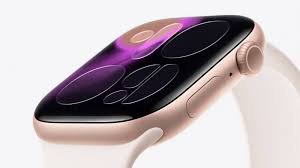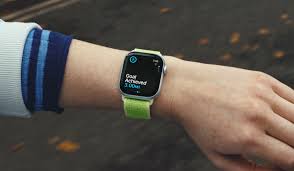
Fitness tracking has become a core reason many people choose the Apple Watch. With models like the Series 11, Ultra 3, and SE 3 running watchOS 26, the device monitors heart rate, steps, calories burned, GPS distance, sleep, and more. Users rely on this data for workouts, health insights, and motivation. But how accurate are these measurements in real life?
Apple Watch for fitness tracking accuracy has improved significantly over generations, thanks to better optical sensors, advanced algorithms, and dual-frequency GPS. Independent studies and expert tests in 2025–2026 show strong results in key areas like heart rate and steps, though calorie estimates remain less reliable. This guide breaks down the performance across major metrics, drawing from peer-reviewed research, lab comparisons, and practical reviews to help you understand what the data truly means.
Heart Rate Tracking Accuracy
Heart rate is one of the Apple Watch’s strongest areas. The optical sensor uses green and infrared LEDs to measure blood flow.
Recent tests and meta-analyses confirm high reliability:
- At rest and during moderate activities, errors stay below 5% (often 2–4.43% mean absolute percent error).
- During running, cycling, and high-intensity workouts, accuracy reaches 87–98% within 5 bpm of chest-strap references like Polar H10.
- In controlled comparisons (2025 data scientist tests), the Apple Watch Ultra 2 outperformed Garmin Forerunner 570, Fenix 7, Samsung Galaxy Watch 7, and even Whoop MG in heart rate consistency.
Minor dropouts occur during rapid wrist movements (weightlifting) or cold conditions, but overall correlation nears 0.99–1.00 against gold-standard devices. For cardio-focused training, this makes the Apple Watch for fitness tracking accuracy highly dependable.
Step Count and Distance Accuracy
Step counting benefits from the accelerometer and gyroscope.
- Meta-analyses report a mean absolute percent error of about 8.17%, well within the “excellent” range (below 10%).
- GPS distance for running and cycling shows strong performance, especially with dual-frequency GPS on Ultra and Series 10+ models.
- In urban or trail environments, lock-on is fast, and routes match closely to known distances (often 0.98–1.02 mile for a measured mile loop).
Compared to dedicated running watches like Garmin, Apple smooths data more aggressively, resulting in cleaner maps but slightly less raw precision in tricky terrain. Still, most runners and cyclists find it reliable for daily tracking.
Calorie Burn and Energy Expenditure
Calorie estimates combine heart rate, motion, age, weight, and height inputs.
- Studies show higher variability, with mean absolute percent errors around 28% (some older tests up to 40%).
- Errors stem from individual differences (metabolism, efficiency) rather than sensor flaws.
- Apple Watch ranks consistently among wrist devices, but no consumer wearable matches lab-grade metabolic carts.
For general motivation, the numbers guide trends well. Serious athletes pair it with perceived effort or lab testing for precision.
GPS and Workout-Specific Accuracy
Dual-frequency GPS (L1 + L5) on newer models improves lock speed and stability.
- Outdoor runs and cycles match reference devices closely, with minimal drift.
- Indoor workouts rely on motion sensors; accuracy holds for steady activities but varies in HIIT or weights.
- Automatic workout detection identifies activities quickly and starts tracking reliably.
In 2026 tests, the Ultra 3 and Series 11 deliver near-professional GPS performance for most users.
Comparison Table: Apple Watch Fitness Tracking Accuracy vs Competitors
Data drawn from 2025–2026 studies and independent tests.
Strengths and Limitations of Apple Watch Fitness Tracking
Strengths:
- Excellent heart rate reliability for most activities.
- Seamless integration with iPhone Health app for trends.
- Automatic detection and motivation via Activity Rings.
- FDA-cleared features (ECG, sleep apnea) add clinical value.
Limitations:
- Calorie estimates vary widely; use as directional guide.
- Wrist-based sensors struggle with arm-heavy exercises.
- GPS smoothing may differ from raw data on dedicated devices.
Overall, the Apple Watch for fitness tracking accuracy suits most users well, especially in cardio and daily activity.
Frequently Asked Questions
How accurate is Apple Watch heart rate tracking in 2026?
It achieves 2–5% error at rest and 87–98% within 5 bpm during exercise, often outperforming Garmin, Samsung, and Whoop in direct comparisons.
Is Apple Watch step count reliable?
Yes, with about 8% error in meta-analyses, it ranks excellent for daily and workout step tracking.
How accurate are Apple Watch calorie burn estimates?
Errors average 20–40%; reliable for trends but not precise for nutrition or training zones.
Does Apple Watch GPS work well for running and cycling?
Dual-frequency GPS delivers fast lock and accurate distance, with strong performance in urban and trail settings.
How does Apple Watch compare to Garmin for fitness tracking accuracy?
Apple leads in heart rate consistency; Garmin edges out in raw GPS detail and recovery metrics for serious athletes.
These questions target common searches about Apple Watch for fitness tracking accuracy.
Conclusion: Is Apple Watch Accurate Enough for Your Fitness Goals?
The Apple Watch for fitness tracking accuracy shines in heart rate, steps, and GPS for most users. While calorie estimates lag behind lab standards, the device delivers reliable, motivating data for everyday fitness, cardio training, and wellness monitoring.
For casual to intermediate users, it offers excellent value within the Apple ecosystem. Serious athletes may pair it with chest straps for peak precision in specific workouts. As watchOS evolves, expect continued improvements in sensor fusion and algorithms to keep the Apple Watch at the forefront of consumer fitness tracking.